




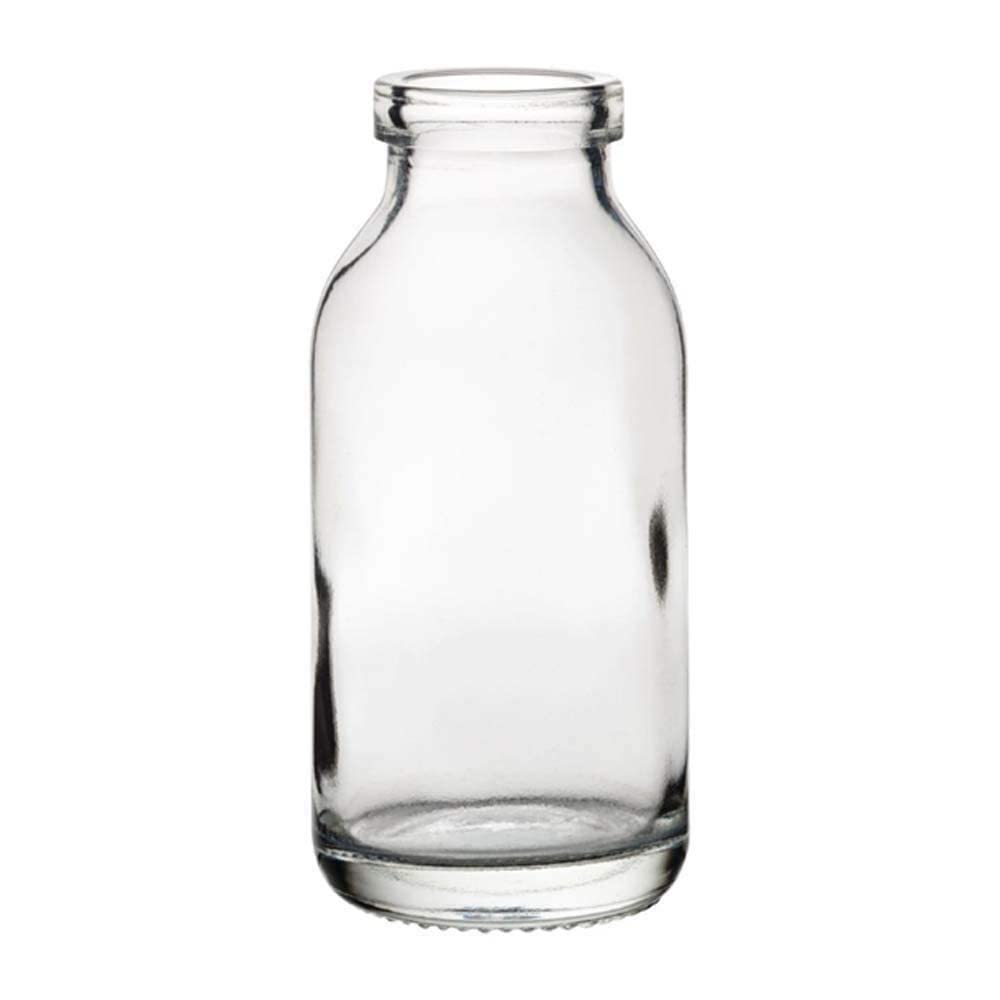
Nalgene 3030-42 InVitro Biotainer Bottle, PC With PP/Silicone Closure, Sterile, Lab Pack, 125mL (Case of 50)

 4.1 (73 items)
 Limited Time Sale
$255.40 cheaper than the new price!!
Free cash-on-delivery fees for purchases over $99
Product details
| Management number | 211018177 | Release Date | 2026/04/04 | List Price | $170.27 | Model Number | 211018177 | ||
|---|---|---|---|---|---|---|---|---|---|
| Category | |||||||||
This Nalgene narrow-mouth square InVitro Biotainer bottle has a light-blue polycarbonate body and a silicone-lined polypropylene cap, and it is sterilized. This lab bottle has a narrow mouth for substance control and containment in biologic pharmaceutical manufacturing. The polycarbonate body resists oils, greases, detergents, most inorganic acids, and impact over a wide temperature range. Its square shape is used for space-efficient storage, and for applications that require stability and gripping ease. This lab bottle has a silicone-lined polypropylene screw cap to secure contents and help prevent spills and evaporation. It has graduations in milliliters for measured dispensing and storing. A body indentation allows for gripping ease and facilitates handling. This lab bottle is sterilized to a Sterility Assurance Level (SAL) of 10-6 by gamma irradiation for applications that require sterility. It can withstand a wide range of temperatures for a variety of uses, including storage between -100 and +100 degrees C. The bottle is non-cytotoxic, non-pyrogenic, and it meets United States Pharmacopoeia (USP) Class VI criteria for medical grade plastic materials and U.S. Food and Drug Administration () 21 CFR 177.1520 criteria for food contact for quality assurance. It complies with USP <661> testing of containers for parenteral use. This bottle is suitable for storage, transport and freezing of critical products.Lab bottles are used to store, hold, and mix liquids, powders, and other substances in a wide variety of scientific industries. Lab bottles have a more pronounced neck and shoulder than jars. Lab bottles are manufactured with a combination of characteristics in order to meet the demands of particular applications, such as for solution dispensing, mixing, and weighing, and use in centrifuge operations. They come in many shapes for specific applications, with a variety of mouth or nozzle shapes and sizes for specific use. Lab bottles are made from materials, such as glass (borosilicate or soda-lime) and an array of plastics, which are selected for chemical and thermal expansion resistance, transparency, and their adaptability in a variety of applications. Lab bottle interiors, caps, and lids are often lined with a protective material. Caps and lids help seal bottles to prevent solutions from spilling. The capacity refers to the fluid amount held by a lab bottle, and is commonly measured in milliliters (mL) and liters (l), and sometimes in ounces (oz). Lab bottles are suitable for use in chemistry and biology applications, as well as in pharmaceutical and scientific testing.Nalge Nunc International manufactures plastic laboratory containers, outdoor sports bottles, and packaging materials under the Nalgene brand name. The company, founded in 1995, is headquartered in Rochester, NY.
- Narrow-mouth lab bottle for substance control and containment in biologic pharmaceutical manufacturing
- Light-blue polycarbonate body for resistance to oils, greases, detergents, most inorganic acids, and impact over a wide temperature range
- Square shape for space-efficient storage, and for applications that require stability and gripping ease
- Silicone-lined polypropylene screw cap secures contents to help prevent spills and evaporation
- Sterilized by gamma irradiation for applications that require sterility
| Shape | Boston Round |
|---|---|
| Capacity | 125 Milliliters |
| Brand Name | Nalgene |
| Unit Count | 50.0 Count |
| Item Weight | 0.01 Ounces |
| Reusability | Reusable |
| Manufacturer | Thermo Scientific |
| Material Type | Polycarbonate |
| Number of Items | 50 |
| Additional Features | Narrow Mouth, Sterile |
| Age Range Description | Adult |
| Product Care Instructions | Hand Wash Only |
| Recommended Uses For Product | Medical, Sports |
Bestseller ranking
Media Bottles



Correction of product information
If you notice any omissions or errors in the product information on this page, please use the correction request form below.
Correction Request Form